
The First Act
Setting up a character’s normal world
July 2026

Have you ever noticed how novels often begin by showing the protagonist's ordinary, everyday life? That's intentional. Before the adventure begins, readers need a clear picture of what "normal" looks like so they can appreciate how dramatically everything is about to change. The contrast between the familiar and the extraordinary gives the story its momentum. If a novel opened in the middle of the adventure, readers wouldn't fully understand that these events are unusual for the protagonist—or grasp the significance of the transformation that's about to unfold.
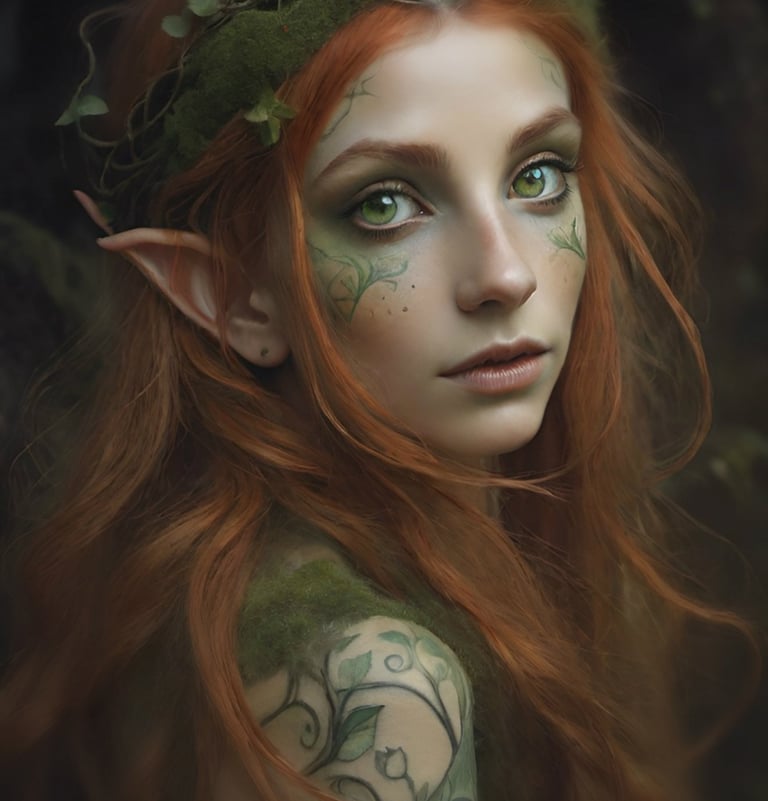
As I mentioned in last month’s post, I’ve embarked on a new novel and have been building my cast of characters. My current thinking is to write the story from three points of view—a high elf prince, a dark elf princess, and a human female. After figuring out their names, families, backstories, and goals, I launched into the first step to write a separate chapter for each of the three protagonists to describe their “normal."
I’ve drafted openers for the princess, Saphielle, and the woman named Anna. I actually wrote Anna’s story first, but it failed to pack the punch needed for an opening to a novel. While the reader may relate to Anna as she struggles with early onset memory loss and seeks supernatural healing from the Fae world she’s not sure exists, that tale seems fairly mundane.
Saphielle’s introduction, on the other hand, throws the reader into a world of castles, harrowing danger, and shapeshifting magic. Exactly what a fantasy novel is supposed to do in its first few pages. The prince’s story will continue along that trend with the addition of a forbidden romance. I haven’t started that chapter yet, but I’m looking forward to Lhoris’ introduction next.
Eventually, these three characters’ worlds will collide in a tangle of intrigue and suspense. At least, that’s the plan anyway. It takes a bit of brainpower to figure out how the complicated plot line plays out, not to mention the patience and discipline to crank out the manuscript, one word at a time (I’ve hit about 5,000 words so far). I tend to edit as I go which takes even longer. Lots of writing craft books encourage authors to wait and revise after the first draft, but it seems like I would create a disjointed mess that would require massive revision. I’d rather craft it cleaner along the way and, unfortunately, take forever doing it.
I’ll check back in next month with a progress update. Thanks for keeping the faith.